
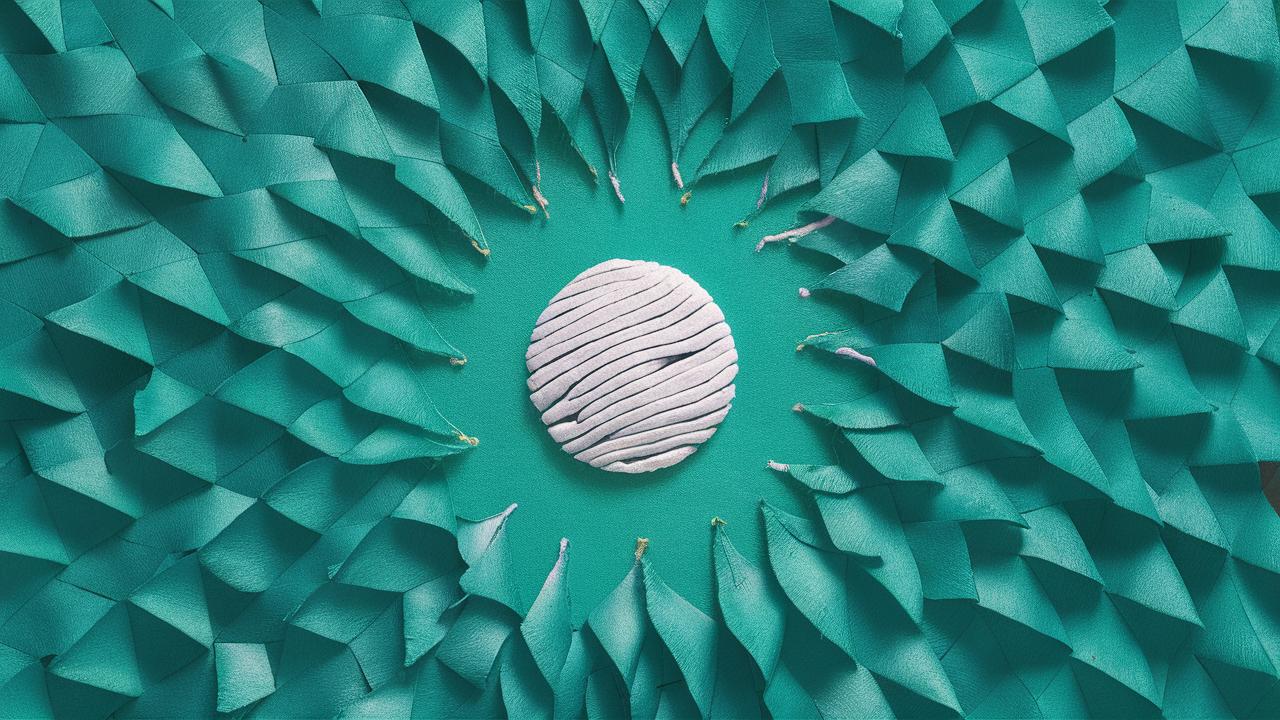
What techniques can help me achieve a tactile feel in my paintings?
How to Experiment with Texture for a More Tactile Artwork
Creating artwork that invites viewers to not just see, but feel, can elevate your pieces to a new level. By experimenting with texture, you can develop a more tactile artwork that attracts and engages audiences. this complete guide will help you understand and incorporate texture into your art, offering a unique sensory experience.
Understanding the Importance of Texture in Art
Texture is a critical element in art, often described as the perceived surface quality of a piece. It can be physical or visual, allowing artists to add depth, interest, and emotion to their work.By experimenting with texture, you can create a more dynamic and engaging art piece.
Physical vs. Visual Texture
- Physical texture: This is the actual variation upon a surface. It can be felt by touch; a gritty, smooth, rough, or soft surface.
- Visual texture: this is an illusion of physical texture. It’s created using markings that mimic the look of a particular texture, frequently enough seen in paintings or drawings.
Both types of textures play essential roles in creating an immersive art experience.The balance and interplay between physical and visual textures invite the viewer into a more engaging and emotional connection with the art.
Materials and Techniques for Creating Texture
Several techniques and materials are available for artists looking to experiment with texture. By mixing different approaches, you can significantly enhance the tactile quality of your artwork.
Using Common Art Supplies
Start by exploring the texture possibilities offered by common art supplies:
- acrylic paints: Utilize heavy or light body acrylics to create thick textures or thin glazes.
- Oil paints: Employ impasto techniques for thick, three-dimensional texture.
- watercolors: Experiment with salt, spattering, or dry brush techniques to create different texture effects.
- Pastels and Charcoal: Explore blending, layering, and sgraffito for different texture effects.
Incorporating Unconventional Materials
Incorporating unconventional materials can led to unexpected and exciting textures:
- Tissue paper: Use torn, crumpled tissue for layering and creating a modeled surface.
- Sand and grit: Mix into paint for a rough texture.
- Fabric and textiles: Employ as a base layer or an overlay to add literal texture.
- Found objects: Integrate sticks, leaves, glass pieces, feathers, etc.,for a dynamic,tactile surface.
Experimenting with Request Techniques
The way paint and materials are applied to your canvas can create texture:
- Palette Knives: Use for smooth,thick applications to create layered texture.
- Brush Techniques: Use different brushes or stippling for varied marks and texture.
- tools: Employ combs, sponges, or rollers to impart unique textures.
Art Techniques to Enhance Texture
Texture can be enhanced in your artwork using specific art techniques. These approaches vary based on medium and personal style:
Collage and Assemblage
Collage: Involves layering papers or fabric, offering a visual and physical texture. Choose materials that complement your composition and experiment with different overlap and placement strategies.
Assemblage: Use a more 3D approach by arranging small objects or found items, adding complex textures that change based on viewing angles.
Impasto Painting
Impasto is a painting technique that layers thick applications of paint. This creates a textured and three-dimensional surface. Tools like palette knives or brushes are frequently enough used, and heavy-bodied paints like oils or acrylics work best.
Monoprinting and Textures
Explore mono-printing to add different textures. By transferring ink or paint through textured surfaces to paper, you can capture a variety of textures in one print.
Digital Texturizing: Embracing the Digital Era
Texture isn’t limited to traditional media; digital artists can utilize textures to enhance their digital creations.
Texture Overlays
Utilize high-resolution texture overlays in graphic editing software to layer various textures over your digital art.
Digital Brushes
Choose from numerous digital brushes designed to mimic real-world textures. ex. rough brushes for mimicking the texture of sand, etc.
Conceptualizing Touch: Creating an Emotional connection
Texture doesn’t only impact the physical appeal of a piece; it also profoundly affects the emotional response. Consider how textures can symbolize themes, ideas, or emotions.
For instance, rough textures might indicate struggle or chaos, while smoother textures suggest calm or serenity. Seasoned artists use texture deliberately to evoke specific feelings and narratives within their art.
How to Encourage Tactile Engagement in Your Audience
Certain techniques can engage audiences more deeply:
- Interactivity: Create pieces designed for touch, such as immersive installations or art meant to be manipulated by the viewer.
- Guided Touch: Prompt viewers to feel texture through titles or accompanying blurbs.
- Sensory Art shows: Coordinate art shows that encourage physical interaction with your pieces.
Final Thoughts
Experimenting with texture in your artwork can unlock a new dimension of creative potential. By exploring various materials, techniques, and concepts, you invite viewers to experience your art through multiple senses. Whether you work with traditional materials or digital media, texture can definitely help create more memorable and engaging artwork. Embrace the process, let your imagination run wild, and watch as your tactile artwork leaves a lasting impression on all who encounter it.

